

Introduction: Why Off-Page SEO Changes Everything
When I first started my website, I spent weeks writing great content. The traffic? Almost zero. Then a friend told me, “Mridul, it’s not just what’s on your page — it’s what the internet thinks of you.” That clicked instantly.
Off-page SEO is everything you do outside your website to improve your search rankings. It tells Google that other people trust you enough to link to you, talk about you, and share your content. Without it, even the best blog posts stay invisible.
In this guide, you will learn exactly what off-page SEO is, which strategies actually work, and how to start building real authority today.

Table of Contents
What Is Off-Page SEO and Why Does It Matter
Off-page SEO refers to all the actions taken outside your website that influence your position in search engine results. Think of it as your site’s reputation on the internet.
Google does not just look at your content. It also checks who talks about you, who links to you, and how trustworthy those sources are. This is where domain authority comes in. Sites with strong domain authority rank faster and higher.
According to Moz’s research on domain authority, backlinks from reputable websites are one of the top factors that determine how well a page ranks. This is why off-page SEO is not optional — it is essential.
Here is what off-page SEO includes:
- Backlinks from other websites
- Brand mentions on the web (with or without a link)
- Social media signals like shares and engagement
- Guest posting on relevant blogs
- Broken link building and content partnerships
Without a solid off-page strategy, your on-page efforts will only take you so far.
5 Off-Page SEO Strategies That Actually Work
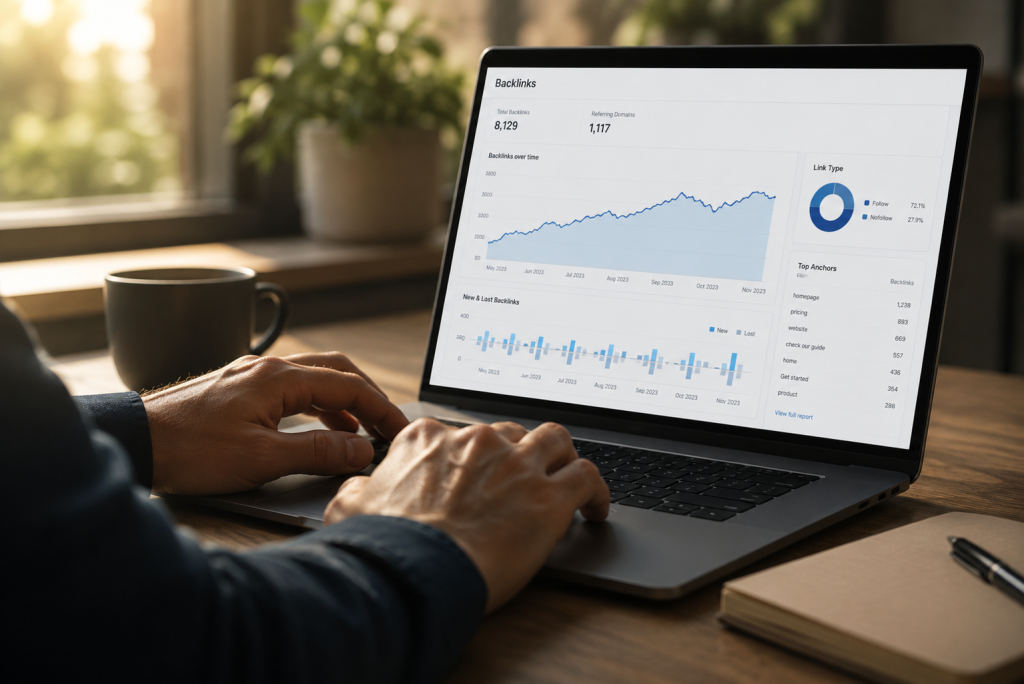
This is where most bloggers get stuck. They know they need backlinks, but they have no clue where to start. Here are five proven strategies that build real off-page SEO authority.
Build High-Quality Backlinks the Right Way
Not all backlinks are equal. One link from a trusted, high-traffic website is worth more than 100 links from random directories. Focus on quality over quantity.
The best ways to earn strong backlinks include:
- Writing data-driven content that others want to cite
- Creating free tools, templates, or resources
- Reaching out to journalists and bloggers in your niche
- Getting featured in roundup posts and expert interviews
Avoid buying links or joining link farms. Google penalizes these tactics, and the risk is not worth it.
Use Guest Posting to Grow Your Authority
Guest posting is still one of the smartest ways to build domain authority in 2025. You write a helpful article for another website, and in return, you get a backlink to your site.
To do this well:
- Find blogs in your niche with good engagement
- Study what topics they publish regularly
- Pitch a unique, helpful article idea
- Include a natural, relevant link back to your site
The key is to write genuinely useful content. Thin, low-effort guest posts will not help your off-page SEO and can actually hurt your reputation.
Leverage Social Signals for Better Reach
Social media does not directly give you backlinks. But it helps your content get seen by more people, and that increases the chance of someone linking to it naturally.
When you publish a new post, share it across:
- LinkedIn (especially for B2B content)
- Twitter or X for quick engagement
- Facebook groups related to your topic
- Pinterest for visual or how-to content
More eyes on your content means more chances of earning backlinks and brand mentions organically.
Get Brand Mentions (Even Without Links)
A brand mention is when someone talks about your website or name online without linking to you. Google still takes these unlinked mentions into account as a trust signal.
You can turn unlinked mentions into links by:
- Setting up Google Alerts for your brand name
- Searching your brand name regularly in Google
- Reaching out to sites that mentioned you and politely asking for a link
- Making it easy for people to link by having a clear “about” or “press” page
Every mention builds credibility, even if there is no link attached.
Use Broken Link Building to Your Advantage
This is one of the most underrated off-page SEO techniques. It works like this:
- Find a page in your niche with broken outbound links (links that lead to 404 pages)
- Create or identify content on your site that could replace the broken link
- Reach out to the website owner and suggest your content as a replacement
Tools like Ahrefs or Check My Links make finding broken links easy. This strategy is a win for both sides — they fix their broken link, and you earn a quality backlink.
Off-Page SEO vs On-Page SEO: Quick Comparison
| Factor | Off-Page SEO | On-Page SEO |
|---|---|---|
| Location | Outside your website | Inside your website |
| Main Focus | Backlinks, brand authority | Content, keywords, structure |
| Control Level | Indirect (earned) | Direct (you control it) |
| Time to See Results | 3 to 6 months | 1 to 3 months |
| Main Tools | Ahrefs, Moz, BuzzSumo | Yoast, RankMath, SEMrush |
| Key Metric | Domain authority, backlinks | Keyword ranking, CTR |
| Risk if Done Wrong | Google penalty from bad links | Low ranking, poor UX |
Both types of SEO work together. Think of on-page SEO as building a great house and off-page SEO as building its reputation in the neighbourhood.
Pros and Cons of Off-Page SEO
Pros of Off-Page SEO
- Builds long-term domain authority that compounds over time
- Increases referral traffic from other websites
- Improves trust signals in Google’s eyes
- Works alongside on-page SEO to boost overall rankings
- Brand mentions increase visibility even without direct links
- Guest posting opens doors to new audiences and collaborations
Cons of Off-Page SEO
- Takes time — results are rarely instant (expect 3 to 6 months)
- Hard to fully control — you depend on other sites to link to you
- Bad backlinks can hurt your site if from spammy sources
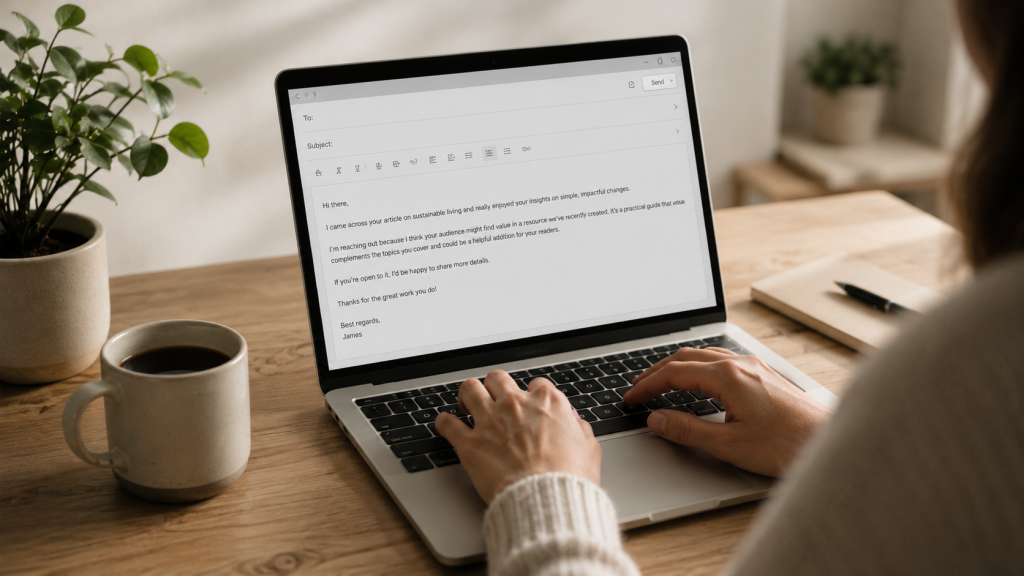
- Outreach is tedious — most emails go unanswered
- Requires consistent effort — one round of link building is never enough
- Measuring ROI is tricky — linking domains and ranking correlation is not always clear
How to Start with Off-Page SEO Right Now
Ready to put this into action? Here is a beginner-friendly checklist to get your off-page SEO moving today:
- Audit your current backlinks using a free tool like Ahrefs Webmaster Tools or Google Search Console
- Identify 5 blogs in your niche where you could pitch a guest post this month
- Set up Google Alerts for your brand name to track mentions
- Share your best content across 2 to 3 social platforms consistently
- Find one broken link opportunity using a Chrome extension and create a replacement piece
- Reach out to one website per week for a natural, relevant link exchange or collaboration
For more detailed guides on growing your online presence, visit GrowWithMridul where Mridul shares practical strategies updated regularly.
Building backlinks and authority does not happen overnight. But if you stay consistent with these steps, you will start seeing real movement in your rankings within a few months.

Conclusion
Off-page SEO is not a one-time task. It is an ongoing process of earning trust, building relationships, and showing Google that your website deserves to be seen.
Here is a quick recap of the key points covered:
- Off-page SEO is everything done outside your website to improve rankings
- Backlinks remain the most powerful off-page ranking factor
- Guest posting is a proven method to earn authority and traffic
- Social signals help your content reach more people organically
- Brand mentions build trust even without a direct link
- Broken link building is an underused but highly effective tactic
If you only do one thing after reading this — start with guest posting. Find one blog in your niche, pitch a helpful article idea, and get your first quality backlink. That single action will teach you more than any guide ever can.
Stay consistent, stay patient, and trust the process. Your rankings will follow.
Frequently Asked Questions About Off-Page SEO
What is off-page SEO in simple terms?
Off-page SEO is everything you do outside your website to help it rank higher on Google. This includes getting backlinks from other sites, earning brand mentions, sharing content on social media, and building your overall domain authority. It is essentially your site’s reputation on the internet.
How long does off-page SEO take to show results?
Off-page SEO is a slow and steady game. Most websites start seeing noticeable improvements in their rankings within 3 to 6 months of consistent link building and outreach. The speed depends on your niche competition, the quality of backlinks you earn, and how active your strategy is.
Is guest posting still effective for link building in 2025?
Yes, guest posting is still one of the most effective link building strategies available. The key is to focus on relevant, high-quality blogs with real audiences. Writing genuinely helpful content that adds value to the host site will always be rewarded with strong, lasting backlinks.
How many backlinks do I need to rank on Google?
There is no exact number. What matters is the quality and relevance of your backlinks, not just the count. A website with 20 backlinks from authoritative, niche-relevant sites will outrank one with 500 backlinks from random or low-quality sources. Focus on earning fewer, better links rather than chasing big numbers.
What is the difference between off-page SEO and on-page SEO?
On-page SEO is everything you do inside your website — like writing good content, using the right keywords, and structuring your pages properly. Off-page SEO is everything that happens outside your site — like earning backlinks, getting brand mentions, and building domain authority through relationships with other websites. Both are essential for strong, lasting rankings.