
Introduction
So you have a product ready and a small ad budget in your hand. You open Meta Ads Manager and suddenly face one big question: should you run Facebook Ads vs Instagram Ads? I remember feeling the exact same confusion when I first started running paid campaigns. Both platforms come from Meta. Both use the same Ads Manager. But they work very differently. In this post, I will walk you through 7 smart differences that will help you pick the right platform for your business. By the end, you will know exactly where your ad money should go.
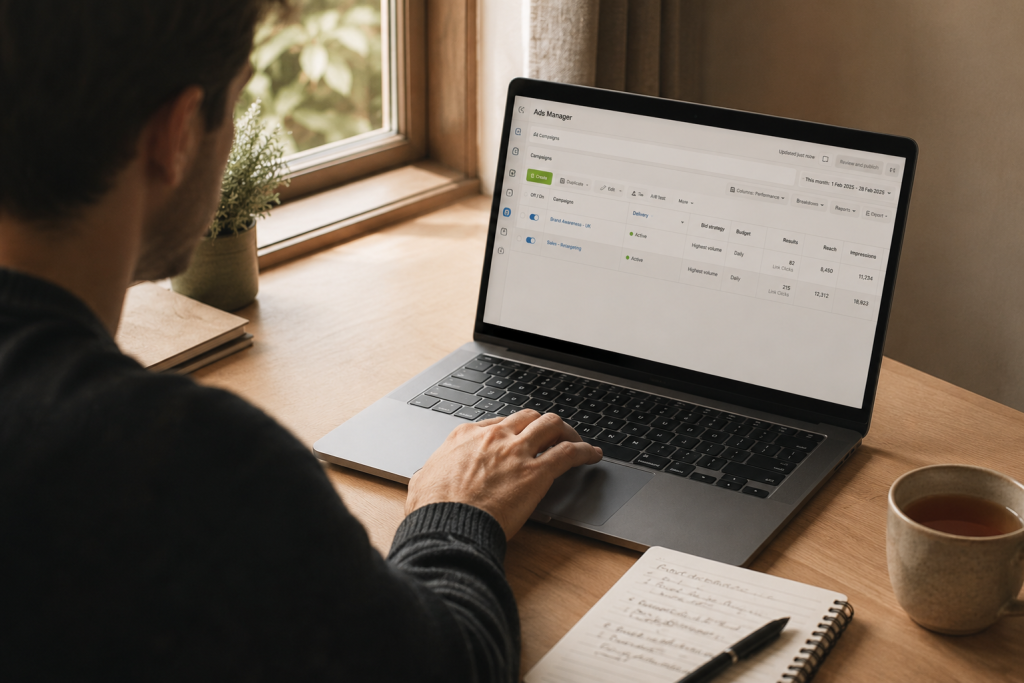
Table of Contents
Facebook Ads vs Instagram Ads: Who Uses Each Platform?
Before you spend a single rupee, you need to know who is actually scrolling on each platform. The audience is everything in social media advertising.
Age and Demographics
Facebook has a much older and broader user base. Most active Facebook users fall between the ages of 25 and 55. This makes it a strong choice for insurance, finance, real estate, and healthcare brands. Parents, working adults, and older professionals are highly active here.
Instagram, on the other hand, pulls in a younger crowd. The majority of Instagram users are between 18 and 34 years old. If your product targets Gen Z or millennials, fashion, beauty, travel, or fitness niches, Instagram is where they spend most of their time.
So the first question to ask yourself is simple: who is your customer? Your answer will already point you toward the right platform for your social media advertising campaign.
Key Differences That Actually Change Your Results
These are the differences that matter most when it comes to real ad performance. Pick the wrong one and your budget goes to waste.
Content Format and Creative Style
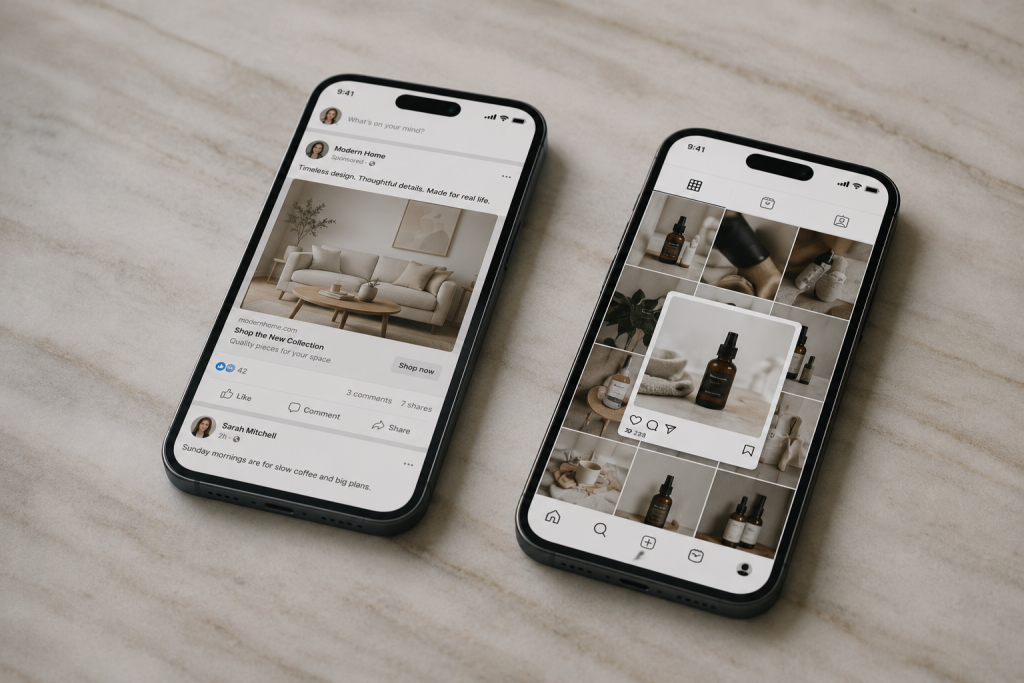
Facebook supports a wide range of content formats. You can run text-heavy ads, carousel ads, lead forms, event promotions, and long video ads. Facebook users are comfortable reading longer content and clicking on links that take them off the platform.
Instagram is a visual-first platform. Short videos, Reels, Stories, and clean product images work best here. Ads that look too much like traditional commercials get ignored. The best-performing Instagram ads blend naturally into the feed. They do not look like ads at all.
Here is a simple rule: if your ad needs words to explain it, go with Facebook. If your ad can tell the story in three seconds through visuals, go with Instagram.
Ad Targeting Capabilities
Both platforms use the same Meta ad targeting engine, which is genuinely powerful. You can target by age, location, interests, behavior, and even custom audiences built from your website visitors or email list.
However, Facebook gives you access to slightly deeper ad targeting options for detailed demographics. You can target people based on job title, political views, life events, and more. Instagram targeting is equally strong but performs better when paired with interest-based and lookalike audiences.
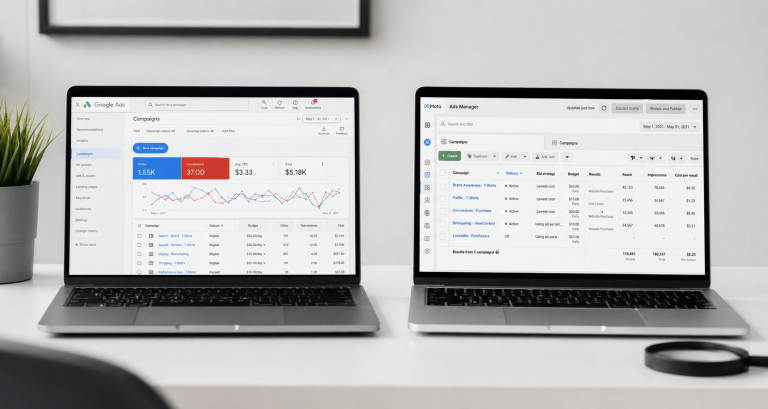
The good news is that you do not have to choose just one. Meta Ads Manager lets you run Facebook Ads vs Instagram Ads from a single campaign and test both simultaneously.
Cost Per Click and Budget
This is one of the most asked questions in digital marketing: which platform has a lower cost per click? The honest answer is that it depends on your niche, creative quality, and audience size.
In general:
- Facebook often has a lower cost per click for older audiences and B2B campaigns
- Instagram tends to have a slightly higher cost per click but delivers better engagement rate for visual products
- Competitive niches like finance or insurance drive up the cost per click on both platforms
Always start with a small test budget of 200 to 500 rupees per day and compare your cost per click across both placements before scaling.
Engagement Rate and Reach
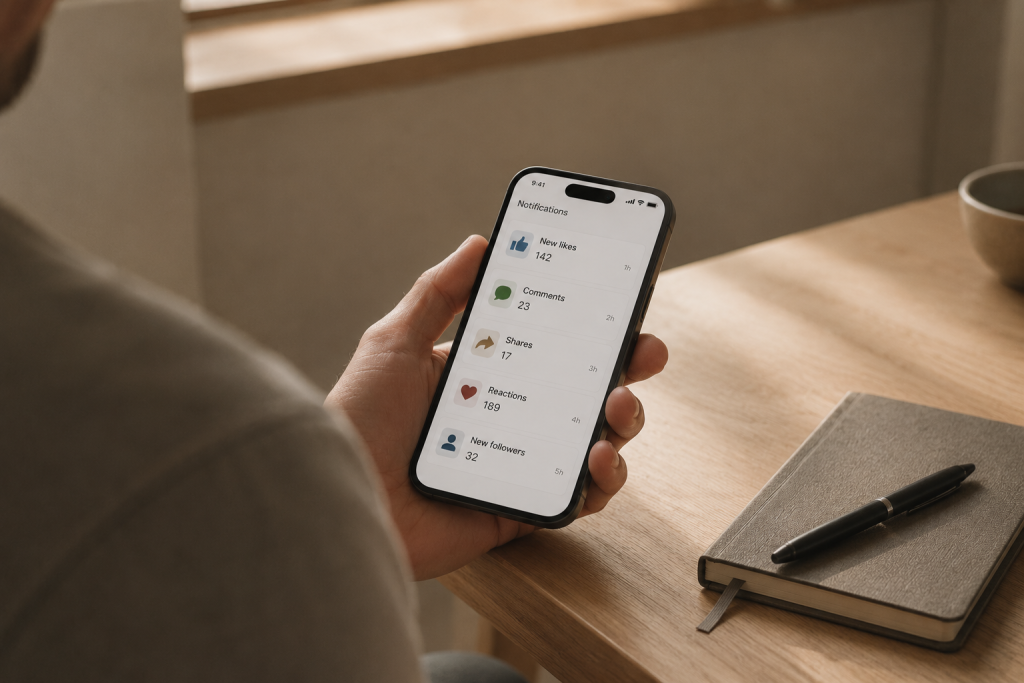
Instagram wins hands down when it comes to engagement rate. Likes, comments, shares, and saves happen more organically on Instagram than on Facebook. This is because Instagram users are in a browsing mindset and react more emotionally to visual content.
Facebook, however, still beats Instagram on overall reach. Facebook has more than 3 billion monthly active users globally. If raw reach and website traffic are your goals, Facebook remains the stronger choice.
That said, a higher engagement rate on Instagram does not always mean more sales. Track your actual conversion data before deciding which platform is “winning” for your business.
Facebook Ads vs Instagram Ads for Specific Goals
Not all campaign goals are equal. Here is how each platform performs based on what you are trying to achieve:
- Brand Awareness: Both platforms work well. Instagram wins on visual impact.
- Lead Generation: Facebook is stronger with its native lead form ads.
- E-commerce Sales: Instagram Shopping and Reels ads drive strong purchase intent.
- Event Promotion: Facebook Events and boosted posts still outperform Instagram for local events.
- App Installs: Instagram Stories and Reels drive higher app install ad performance among younger users.
Facebook Ads vs Instagram Ads: Full Comparison
| Feature | Facebook Ads | Instagram Ads |
|---|---|---|
| Primary Age Group | 25 to 55 years | 18 to 34 years |
| Best Content Format | Text, carousel, video, lead forms | Reels, Stories, product images |
| Ad Targeting Depth | Very deep, detailed demographics | Strong, better with visual interests |
| Avg. Cost Per Click | Lower in most niches | Slightly higher, better ROI for visual brands |
| Engagement Rate | Moderate | High |
| Best For | B2B, lead gen, older audiences | E-commerce, lifestyle, younger audiences |
| Platform Reach | 3 billion+ monthly users | 2 billion+ monthly users |
| Organic Blending | Moderate | Very natural in feed |
| Ad Formats | Wide variety | Visual and short-video focused |
Pros and Cons of Each Platform
Pros of Facebook Ads
- Massive reach with over 3 billion monthly active users
- Deep ad targeting with detailed demographic and behavioral filters
- Multiple ad formats including lead forms, event ads, and carousel ads
- Lower cost per click for B2B and older audience campaigns
- Best platform for driving external website traffic
- Strong retargeting capabilities for warm audiences
Cons of Facebook Ads
- Organic reach has dropped significantly in recent years
- The interface can feel cluttered and less premium
- Younger users are spending less time on Facebook
- Creative assets need less visual polish compared to Instagram
- Ad performance can drop quickly if the audience is too narrow
Pros of Instagram Ads
- Higher engagement rate compared to most social media advertising platforms
- Perfect for visual products like fashion, food, beauty, and fitness
- Reels and Stories provide native, non-intrusive ad experiences
- Instagram Shopping makes e-commerce seamless and fast
- Strong ad performance with younger, purchase-ready audiences
- Ads blend naturally into the feed for a premium brand feel
Cons of Instagram Ads
- Slightly higher cost per click in competitive niches
- Less effective for text-heavy or information-dense campaigns
- Limited link placement options outside of Stories and bio
- B2B campaigns generally underperform compared to Facebook
- Requires high-quality visual assets to compete effectively
How to Start: A Practical Guide
If you are new to social media advertising and ready to launch your first campaign, here is a simple action plan:
- Define your goal first. Are you collecting leads, driving sales, or building brand awareness?
- Identify your target customer. Age, interests, and income level will tell you which platform fits better.
- Set a daily test budget. Start with 200 to 500 rupees per day on each platform before committing more.
- Create platform-specific creatives. Do not use the same ad image for both. Design for each platform’s style.
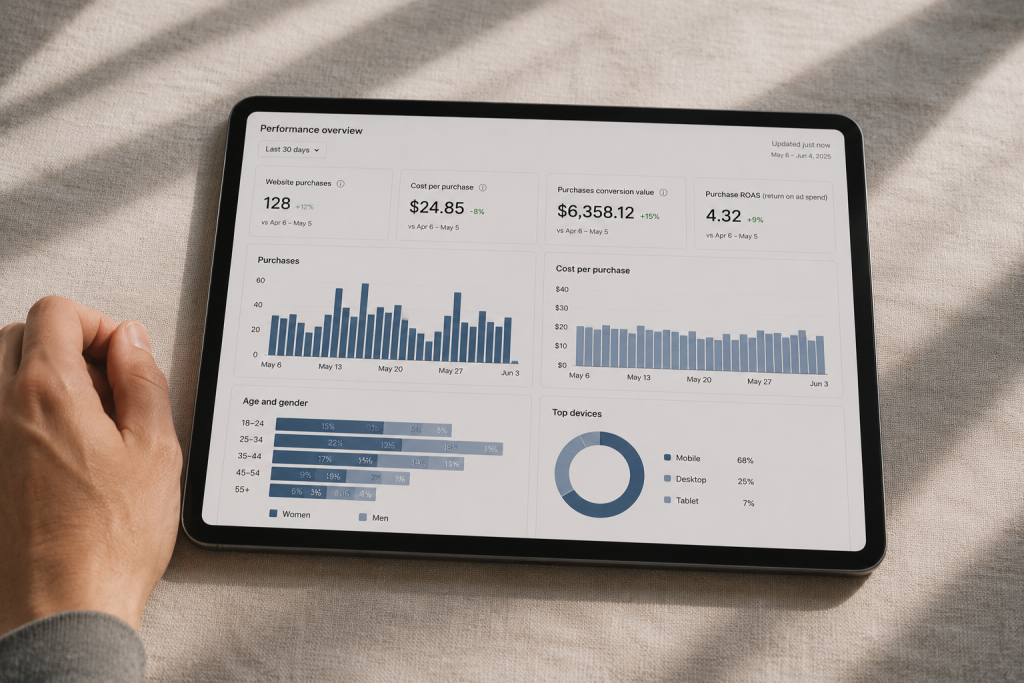
- Track cost per click, engagement rate, and conversions from day one. Use Meta Ads Manager’s built-in reporting.
- Run both placements together for the first two weeks using one campaign. Let the data tell you where your ad performance is stronger.
- Scale the winner. Once you see which platform delivers better results, shift more budget toward it.
For a deeper breakdown of digital marketing strategies that work for Indian businesses, check out GrowWithMridul for step-by-step guides and proven frameworks.
You can also explore Meta’s official advertising guide to understand the full range of tools available inside Meta Ads Manager.
For industry benchmarks on cost per click and engagement rate by niche, WordStream’s paid social benchmarks are one of the most trusted free resources available.
The Final Word
Here is what we covered in this post:
- Facebook suits older audiences, B2B campaigns, and lead generation goals.
- Instagram wins for visual products, younger audiences, and higher engagement rate.
- Ad targeting is equally powerful on both platforms through Meta Ads Manager.
- Cost per click is generally lower on Facebook but Instagram can give better ROI for the right products.
- Content format matters more than most people think. Design for the platform, not just the message.
- Running both together and testing first is almost always the smartest move.
My honest advice? Do not pick a side based on opinions. Spend a small test budget on both, track your ad performance carefully, and let real numbers guide your decision. Facebook Ads vs Instagram Ads is not a competition. It is a toolkit. Use both wisely.
Your best campaign is one test budget away. Start today.
Frequently Asked Questions
Is Facebook Ads better for B2B or B2C?
Facebook Ads work better for B2B campaigns because of its deeper demographic and job-title-based ad targeting. You can reach decision-makers, business owners, and professionals more precisely. B2C brands can also succeed on Facebook, especially for older audiences. But for younger B2C markets, Instagram often delivers stronger ad performance and higher engagement rate.
Which platform has a lower cost per click?
In most niches, Facebook Ads tend to have a lower cost per click than Instagram. However, this varies by industry, creative quality, and audience size. Highly competitive niches like insurance or real estate can drive up the cost per click on both platforms. Always run a test campaign to get accurate cost per click data for your specific niche before scaling.
Can I run Facebook Ads and Instagram Ads together?
Yes, absolutely. Meta Ads Manager allows you to run Facebook Ads vs Instagram Ads from a single campaign by selecting both as placements. This is actually the recommended approach for beginners. Running both gives you data from each platform quickly, so you can see where your ad performance is stronger and allocate your budget accordingly.
Which is better for engagement rate?
Instagram consistently delivers a higher engagement rate than Facebook across most content types. Users on Instagram interact more with visual content through likes, comments, saves, and shares. This makes Instagram the better choice for brand building, product launches, and campaigns where audience interaction matters as much as reach.
What type of content works best on each platform?
On Facebook, longer video ads, carousel formats, lead gen forms, and text-based posts with a clear call to action perform well. On Instagram, short Reels, Stories with swipe-up links, and clean product photography drive the best ad performance. The golden rule is to design your creative for the platform’s native style, not just copy the same asset across both.